
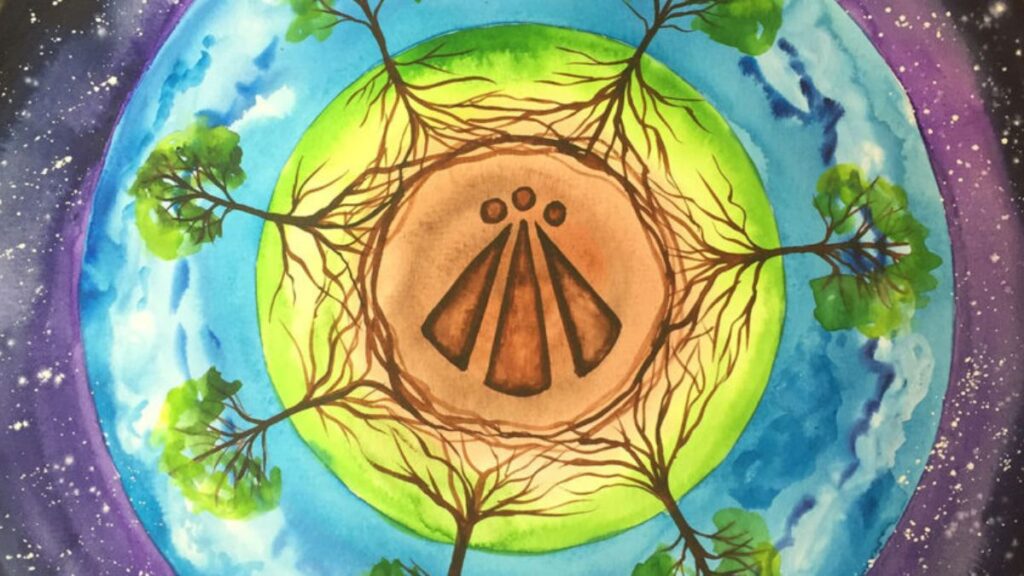
Introduction to Bardid and its origins
Every culture has its own way of weaving tales, and one form that stands out is the art of bardid. Originating from ancient traditions, this unique storytelling style combines words with rhythm to create a captivating experience. Imagine sitting by a fire, mesmerized as a storyteller weaves together history, emotion, and imagination through melodic verses. This isn’t just entertainment; it’s an essential part of human connection.
The charm of bardid lies in its ability to evoke emotions and transport listeners to different realms. It’s more than mere narration; it’s an art that has shaped societies throughout time. Whether you’re familiar with the term or hearing it for the first time, understanding bardid can deepen your appreciation for storytelling as a whole. Dive into this enchanting world where every word dances and each story resonates deeply within us all.
The Importance of Storytelling in Human History
Storytelling has been woven into the fabric of human existence since time immemorial. It serves as a vessel for sharing experiences, preserving culture, and imparting wisdom across generations.
From ancient cave paintings to modern novels, stories connect us. They transcend language barriers and cultural divides. Through tales of triumph and tragedy, we find common ground.
History is rich with examples where storytelling shaped societies. Oral traditions in indigenous cultures kept histories alive long before written records emerged. This practice fostered community bonds and ensured collective memory.
Moreover, narratives have the power to inspire change. Movements throughout history often use storytelling to mobilize support and ignite passion among people.
In essence, storytelling is not just entertainment; it’s a fundamental aspect of our humanity that influences thoughts, behaviors, and beliefs in profound ways.
The Elements of Bardid: Words, Rhythms, and Emotions
Bardid is a tapestry woven from words, rhythms, and emotions. Each thread adds depth and color to the art form.
Words are the backbone of bardid. They carry stories that transport listeners to different realms. The choice of vocabulary can evoke imagery or ignite curiosity. Every word counts in crafting an engaging tale.
Rhythms bring life to those words. Whether it’s a steady beat or a spontaneous flourish, rhythm shapes how the story flows. It guides the audience’s breath and pacing, creating suspense or joy with each rise and fall.
Emotions tie everything together. Bardid is not just about what we say but how it resonates within us. A touching moment draws tears; a humorous twist sparks laughter. This emotional connection keeps audiences coming back for more stories that speak to their hearts.
How to Craft a Bardid Story
Crafting a Bardid story begins with inspiration. Look around you; the world is filled with tales waiting to be told. Observe everyday life, nature, and human connections.
Next, choose your words carefully. Each word should resonate with emotion and imagery. Use vivid descriptions that paint pictures in the minds of your audience.
Rhythm plays a crucial role too. Experiment with cadence and flow. The way you structure sentences can evoke feelings — excitement or calmness, sadness or joy.
Don’t forget about characters. They are the heart of any story. Make them relatable; let them struggle and triumph just like anyone would in real life.
Infuse your personal experiences into the narrative. Authenticity draws listeners in and makes your Bardid truly unique!
Examples of Famous Bardid Stories
Bardid stories have enchanted audiences for centuries, weaving words and rhythms into unforgettable narratives. One classic example is the tale of “The Fisherman and His Wife.” This story showcases ambition and greed through rhythmic verses that capture the essence of desire.
Another notable bardid piece is “Beowulf,” an epic poem celebrating heroism. Its vivid descriptions and powerful cadence bring to life battles against monstrous foes, resonating deeply with listeners.
More recently, works like Langston Hughes’ poetry embody the spirit of bardid storytelling. His rhythmic phrasing highlights social issues while connecting emotionally with readers.
In contemporary culture, songs by artists like Bob Dylan serve as modern bardid tales. Their lyrics tell compelling stories reflecting personal experiences and societal changes, proving that this art form continues to thrive in diverse forms.
The Evolution of Bardid in Modern Times
Bardid has transformed significantly in modern times, reflecting societal shifts and technological advancements. Once rooted deeply in oral traditions, it now finds expression through various media.
With the rise of digital platforms, storytellers can share their bardid performances globally. Social media allows for instant feedback and interaction with audiences. This immediacy enhances connections that were once limited to local gatherings.
Contemporary artists blend traditional elements with innovative formats like rap, spoken word, and multimedia storytelling. These adaptations keep the essence of bardid alive while appealing to younger generations.
Additionally, collaborations between musicians and poets have birthed new genres that push boundaries. The fusion of sounds and words creates rich narratives that resonate across cultures.
As society continues to evolve, so does bardid—adapting its rhythms and themes to mirror current experiences while preserving its core art form.
Conclusion: Why the Art of Bardid is Still Relevant Today
The art of bardid continues to resonate in our fast-paced world. It bridges generations, cultures, and experiences through the power of storytelling. As technology transforms how we share stories—whether through social media or podcasts—the essence of bardid remains unchanged.
People crave connection and meaning, something that well-crafted narratives provide. They can evoke emotions, challenge perceptions, and inspire change. In a time when attention spans are short and distractions abound, the ability to weave words into engaging tales is more valuable than ever.
Bardid teaches us about our shared humanity while allowing individual voices to shine. Whether you’re an aspiring storyteller or a seasoned wordsmith, embracing this ancient art form offers endless possibilities for creativity and expression.
By nurturing the tradition of bardid, we ensure its survival for future generations. The rhythms may evolve but the heart of storytelling will always beat strong within us all.