
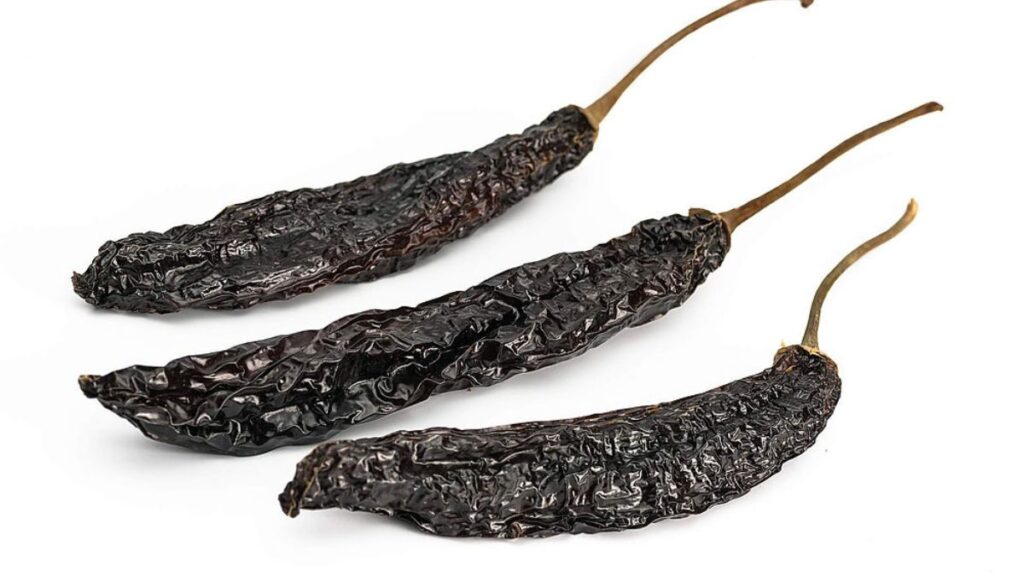
Introduction to Chile Pasilla
When you think of Mexican cuisine, vibrant flavors and fresh ingredients come to mind. One ingredient that beautifully embodies this essence is the Chile Pasilla. This versatile pepper, with its rich history and complex taste, adds depth to countless dishes. But what makes it so special? From its origins on the farm to your dinner table, the journey of Chile Pasilla is as fascinating as its flavor profile. Let’s explore how this remarkable pepper transforms a simple meal into a culinary experience worth savoring.
The Growing and Harvesting Process
Chile Pasilla thrives in warm climates, typically found in regions of Mexico. These peppers begin their journey as small green buds on sturdy plants that require plenty of sunlight and well-drained soil.
Farmers carefully tend to the crops, monitoring moisture levels and nutrients. This diligence ensures that each plant can reach its full potential. As the season progresses, the chiles grow more robust and transition from vibrant green to a deep, rich brown when fully ripe.
Harvesting is an art form requiring precision. Workers hand-pick each chile at peak ripeness to preserve flavor and texture. Once harvested, they are often dried naturally under the sun or through controlled processes to enhance their smoky essence.
This careful approach not only contributes to taste but also plays a crucial role in maintaining their nutritional profile. Each step reflects a commitment to quality that defines Chile Pasilla’s reputation in kitchens worldwide.
Culinary Uses in Mexican Cuisine
Chile Pasilla is a star ingredient in many traditional Mexican dishes. Its rich, smoky flavor adds depth to salsas and sauces. You’ll find it blended into mole, giving the sauce its complex taste.
In tacos and enchiladas, this chili pepper shines as well. It can be roasted or rehydrated, enhancing both texture and flavor.
Soups benefit from the warm spice of Chile Pasilla too. A simple tortilla soup transforms with just a few slices mixed in.
For adventurous cooks, try adding it to marinades for meats like chicken or pork. The heat level is mild but ensures every bite has character.
Vegetarian options abound as well! Stuffed peppers or grilled vegetables gain an exciting twist when Chile Pasilla is included in the recipe mix. The possibilities are endless when incorporating this versatile chili into your meals.
Health Benefits of Chile Pasilla
Chile Pasilla is not just a flavorful addition to dishes; it also brings several health benefits. This dried chili is rich in vitamins A and C, which support the immune system and promote healthy skin.
Additionally, Chile Pasilla contains antioxidants that help combat free radicals in the body. These compounds can reduce inflammation and lower the risk of chronic diseases.
The capsaicin found in these peppers may boost metabolism, assisting with weight management efforts. It can also contribute to heart health by improving circulation and lowering blood pressure.
Incorporating Chile Pasilla into your meals not only enhances flavor but also adds nutritional value. Its unique profile makes it a great choice for those seeking both taste and wellness.
How to Incorporate Chile Pasilla into Your Cooking
Chile Pasilla adds depth and flavor to a variety of dishes. Start by rehydrating dried pasillas in warm water for about 20 minutes. Once softened, chop them up and toss them into salsas or sauces for an intriguing kick.
For a smoky twist, roast the chiles over an open flame until charred. This brings out their natural sweetness and enhances their aroma. Use these roasted peppers in mole sauces or as a topping for grilled meats.
Incorporate Chile Pasilla into soups or stews to infuse rich flavors that develop over time. They pair beautifully with beans, lentils, and vegetables.
Don’t forget about seasoning! Blend ground pasilla into spice mixes or sprinkle it on popcorn for a unique snack experience. Each addition transforms everyday meals into culinary adventures worth savoring.
Sustainable Farming Practices
Sustainable farming practices are essential for the cultivation of Chile Pasilla. These methods protect the environment while ensuring high-quality crops.
Farmers often employ crop rotation to maintain soil health. This technique prevents nutrient depletion and reduces pest infestations. By alternating different plants, they enhance biodiversity, which benefits local ecosystems.
Water conservation is another critical aspect. Many growers use drip irrigation systems, allowing precise water delivery directly to plant roots. This method minimizes waste and promotes healthier growth.
Additionally, organic fertilizers play a significant role in sustainable farming. Utilizing compost and natural amendments enriches the soil without harmful chemicals.
These practices not only support the well-being of farmers but also contribute to a greener planet. When you choose Chile Pasilla grown sustainably, you’re supporting responsible agriculture that respects nature’s balance.
Conclusion
Chile Pasilla is more than just a pepper; it’s a journey from the farm to your table. Its rich history and vibrant flavor profile make it a staple in many kitchens, especially within Mexican cuisine. Understanding its growth process adds depth to your appreciation of this ingredient.
Incorporating Chile Pasilla into your meals not only enhances their taste but also brings numerous health benefits. With its versatility, it can be used in various dishes, making it easy for home cooks to experiment and add some spice to their culinary repertoire.
Sustainable farming practices further ensure that we can enjoy Chile Pasilla without compromising our environment. Supporting local farmers who prioritize these methods contributes to the quality of the produce you consume.
As you explore new recipes or revisit old favorites, consider adding Chile Pasilla for that unique kick. Enjoying this flavorful pepper is not just about savoring good food; it’s about connecting with tradition, health, and sustainability on your plate. Let Chile Pasilla elevate your cooking experience today!