Introduction
The concept of genhouse is transforming how people think about modern living. Instead of traditional homes, a genhouse focuses on efficiency, sustainability, and smart technology integration. As lifestyles evolve, homeowners are prioritizing comfort, cost savings, and environmental impact. That’s exactly where genhouse design stands out.
In this guide, you’ll learn what a genhouse is, why it’s gaining popularity, and how you can adopt its principles for your own home. Whether you’re building from scratch or upgrading your current space, this article will give you practical insights to get started.
What Is a Genhouse?
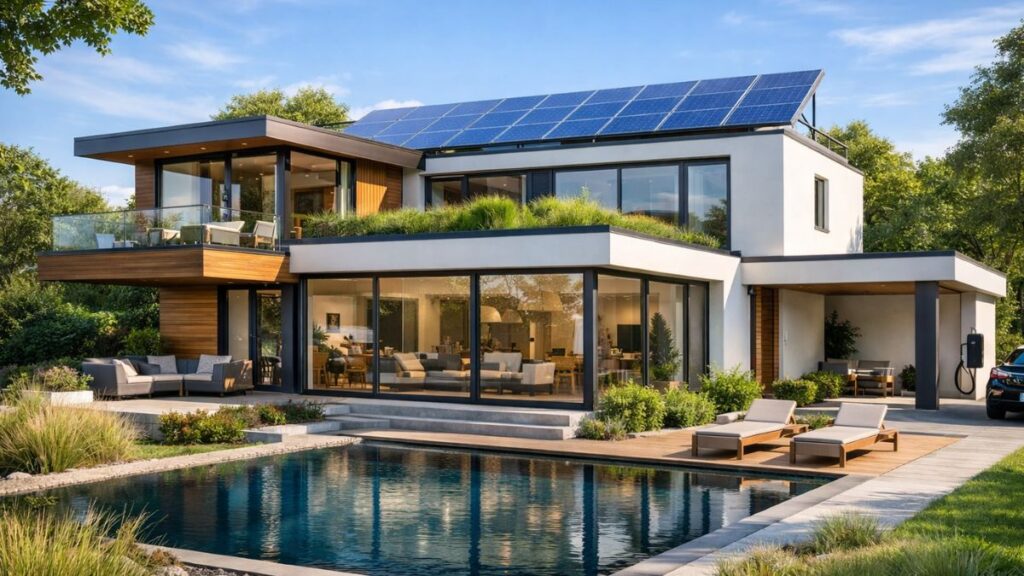
A genhouse refers to a next-generation home designed with a focus on:
- Smart technology integration
- Energy efficiency
- Sustainable materials
- Flexible living spaces
Key Features of a Genhouse
- Automated lighting and climate systems
- Renewable energy sources like solar panels
- Multi-functional room designs
- Eco-friendly construction materials
In simple terms, a genhouse blends comfort, technology, and sustainability into one seamless living experience.
You May Like: Lessons Learned from Ger Scully: Inspiration from a Visionary Mind
Why Genhouse Living Is Gaining Popularity
More homeowners are shifting toward smarter homes—and for good reason.
1. Energy Efficiency
Modern homes are designed to consume less energy while maximizing output.
2. Cost Savings
Lower utility bills make a huge difference over time.
3. Environmental Impact
Eco-conscious living reduces carbon footprints.
4. Convenience
Automation makes daily tasks easier and more efficient.
Quick Comparison: Traditional Home vs Genhouse
| Feature | Traditional Home | Genhouse |
|---|---|---|
| Energy Usage | High | Optimized & Efficient |
| Technology | Minimal | Fully Integrated Smart Tech |
| Sustainability | Limited | Eco-Friendly Materials |
| Maintenance | Manual | Automated Systems |
| Flexibility | Fixed Layout | Adaptable Spaces |
Essential Components of a Genhouse
To fully understand this concept, let’s break down the core elements.
Smart Home Technology
Automation is at the heart of a genhouse.
Examples include:
- Smart thermostats
- Voice-controlled lighting
- Security systems with remote access
Sustainable Materials
Builders prioritize:
- Recycled materials
- Low-impact construction
- Energy-efficient insulation
Energy Systems
Most genhouses incorporate:
- Solar panels
- Battery storage systems
- Energy monitoring tools
Genhouse Technology Stack Overview
| Component | Purpose | Benefit |
|---|---|---|
| Smart Thermostat | Temperature control | Energy savings |
| Solar Panels | Renewable energy generation | Reduced electricity bills |
| Smart Lighting | Automated lighting systems | Convenience & efficiency |
| Water Management | Smart water usage tracking | Conservation |
| Home Hub | Central control system | Seamless integration |
Designing Your Own Genhouse
Creating a genhouse doesn’t require starting from scratch. You can upgrade gradually.
Step-by-Step Approach
Step 1: Evaluate Your Current Home
- Identify energy inefficiencies
- Check insulation quality
Step 2: Integrate Smart Devices
Start small:
- Smart plugs
- Automated lights
Step 3: Upgrade Energy Systems
Consider:
- Solar installation
- Energy-efficient appliances
Step 4: Optimize Space
- Use multifunctional furniture
- Create flexible living areas
Benefits of a Genhouse Lifestyle
Living in a genhouse offers several long-term advantages.
Financial Benefits
- Lower energy bills
- Increased property value
Lifestyle Benefits
- Greater comfort
- Improved convenience
Environmental Benefits
- Reduced waste
- Lower emissions
Pros and Cons of Genhouse Living
Pros
- Energy efficiency
- Smart automation
- Eco-friendly design
- Long-term savings
Cons
- Higher initial investment
- Learning curve with technology
- Maintenance of smart systems
Common Mistakes to Avoid
When transitioning to a genhouse, avoid these pitfalls:
Overloading with Technology
Too many devices can create complexity instead of convenience.
Ignoring Compatibility
Ensure all systems work together seamlessly.
Skipping Planning
A clear strategy prevents costly mistakes.
Choosing Cheap Materials
Low-quality materials reduce long-term efficiency.
Best Practices for Building or Upgrading a Genhouse
To maximize results, follow these proven strategies:
Focus on Energy First
Start with insulation and energy efficiency before adding tech.
Choose Scalable Systems
Invest in technology that can grow with your needs.
Prioritize User Experience
Keep systems simple and intuitive.
Work with Professionals
Experts can help design efficient systems and layouts.
Genhouse Planning Framework
| Phase | Key Actions | Expected Outcome |
|---|---|---|
| Planning | Assess needs & budget | Clear roadmap |
| Design | Choose materials & layout | Efficient structure |
| Implementation | Install systems & devices | Functional smart home |
| Optimization | Monitor & improve | Maximum efficiency |
Practical Example: Transforming a Traditional Home
Imagine a homeowner upgrading their space:
- Installs solar panels → reduces energy bills
- Adds smart lighting → improves convenience
- Uses modular furniture → maximizes space
Within months, the home becomes more efficient, comfortable, and future-ready.
Conclusion
The rise of the genhouse reflects a major shift in how people approach living spaces. It’s not just about aesthetics anymore—it’s about creating a home that works smarter, saves money, and supports sustainability.
Whether you’re building new or upgrading your current home, adopting genhouse principles can significantly improve your lifestyle. Start small, plan wisely, and gradually transform your space into a modern, intelligent home.
FAQs
1. What makes a genhouse different from a smart home?
A genhouse combines smart technology with sustainability and flexible design, while a smart home mainly focuses on automation.
2. Is building a genhouse expensive?
Initial costs may be higher, but long-term savings often offset the investment.
3. Can I convert my current home into a genhouse?
Yes, you can gradually upgrade with smart devices and energy-efficient systems.
4. What is the most important feature of a genhouse?
Energy efficiency is the foundation, followed by smart technology integration.
5. Are genhouses suitable for small spaces?
Absolutely. Their flexible design makes them ideal for compact living.
You May Also Read: Stories from the Mertal Family: Lessons in Love and Resilience