
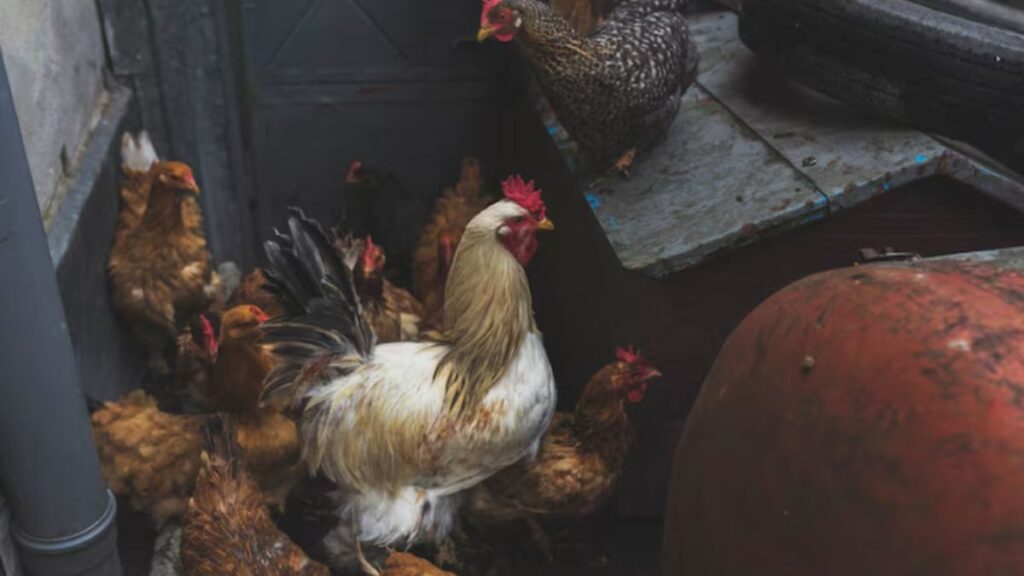
Introduction to Fur Hens and Traditional Chickens
Are you curious about the fascinating world of poultry? If so, you might have encountered two intriguing types: Fur Hens and traditional chickens. Both bring unique attributes to the farmyard table, but they’re not quite the same. Whether you’re a seasoned farmer or just starting your backyard flock, understanding these differences can help you make informed choices. From their appearance to egg production and temperament, each has something special to offer. Let’s dive into what sets Fur Hens apart from their more conventional counterparts!
Differences in Appearance
Fur Hens and traditional chickens showcase distinct appearances that can easily set them apart.
Fur Hens often have a fluffier, more feathered look. Their soft plumage gives them a unique charm that many find appealing. The feathers cover their bodies in an almost plush manner, creating a warm and inviting appearance.
Traditional chickens come in various breeds with different feather types and colors. They typically feature sleek feathers that can range from glossy black to vibrant reds or whites, depending on the breed.
Additionally, Fur Hens tend to be smaller than most traditional chickens. This size difference contributes to their overall delicate aesthetic, making them look more like pets than livestock.
Both types of poultry bring visual diversity to any backyard setting but appeal differently based on personal preference for aesthetics.
Comparison of Egg Production
Fur hens and traditional chickens differ significantly in their egg production capabilities. Traditional chickens are renowned for their high output. Breeds like the Leghorn can lay up to 300 eggs a year, making them favorites among farmers.
Fur hens, on the other hand, produce fewer eggs annually. While they still contribute to your kitchen table, expect around 150-200 eggs per year from these fuzzy birds. Their reproductive cycle is influenced by factors such as breed and environment.
Another point of interest is the unique quality of fur hen eggs. They tend to have richer flavors and vibrant yolks due to their diverse diets that include more greens and insects.
This difference in egg quantity versus quality often shapes decisions for those considering adding either type of bird to their flock. For some, it’s all about numbers; others prioritize taste over sheer volume.
Temperament and Ease of Care
Fur Hens are known for their gentle and friendly nature. They tend to be more docile compared to traditional chickens, which can sometimes be skittish or aggressive. This makes Fur Hens an ideal choice for families with children or those new to poultry care.
Caring for Fur Hens is relatively straightforward. They adapt well to various environments and require less space than their feathered counterparts. Their fluffy coats not only provide a unique appearance but also help insulate them against temperature changes.
Traditional chickens can often exhibit strong pecking orders, leading to occasional squabbles in the flock. In contrast, Fur Hens usually get along harmoniously within mixed groups, making them easier to manage as they settle into their surroundings.
Grooming is minimal; regular checks for health issues suffice. With proper attention and care, these charming birds thrive beautifully in backyard settings.
Nutritional Benefits of Fur Hen Eggs
Fur Hen eggs are becoming a popular choice among health-conscious individuals. Rich in essential nutrients, they offer several advantages over traditional chicken eggs.
These eggs typically boast higher omega-3 fatty acids. This can contribute to better heart health and improved brain function. The diet of Fur Hens often includes more greens and seeds, enhancing their nutritional profile.
You might also find that Fur Hen eggs contain more vitamins A and E. These vitamins play crucial roles in maintaining healthy skin and vision.
Another interesting aspect is the protein content. Fur Hen eggs are known for being packed with high-quality protein, which supports muscle growth and repair.
Additionally, many people appreciate the unique flavor of these eggs. This can make them a delightful addition to various dishes while providing significant health benefits at the same time.
Cost Analysis: Which is More Economical?
When considering the economic aspect of owning fur hens versus traditional chickens, several factors come into play.
Fur hens often have a higher initial purchase price due to their unique breeding and rarity. However, this can be offset by their longevity and resilience in various climates.
Traditional chickens are typically more affordable upfront but may require additional costs for feed and housing as they tend to be less hardy.
Egg production is another key factor in cost analysis. Fur hen eggs are known for their quality and nutritional benefits, which can command a higher market price if you decide to sell them. Traditional chicken eggs might not fetch the same premium but are generally easier to find buyers for due to familiarity.
Your choice depends on whether you’re looking for long-term investment or immediate returns from egg sales.
Choosing the Right Type for Your Needs
When considering whether to raise Fur Hens or traditional chickens, first assess your space. Fur Hens often require less room and can thrive in smaller backyards.
Next, think about your egg preferences. If you’re looking for unique colors and flavor profiles, Fur Hen eggs might be the perfect choice. Traditional chickens typically provide a more consistent egg output but may lack the variety that some farmers seek.
Consider your lifestyle too. If you want low-maintenance birds with gentle temperaments, Fur Hens could be ideal. They tend to have docile personalities that make them easier to handle.
Factor in local climate conditions. Some breeds adapt better than others. Research which type of chicken will flourish in your environment before making a decision on what’s best for you and your family.
Conclusion
When it comes to choosing between Fur Hens and traditional chickens, understanding their unique characteristics is essential. Fur Hens stand out with their distinctive appearance and charming personalities, while traditional chickens have long been favored for their reliable egg production.
As you weigh the differences in temperament and care requirements, consider what fits best into your lifestyle. If you’re looking for a friendly companion that also lays delicious eggs, Fur Hens could be an excellent choice. On the other hand, if consistent egg yield is your priority, traditional chickens may serve you better.
Nutritional benefits play a crucial role as well; Fur Hen eggs can offer added advantages that appeal to health-conscious consumers. Cost analysis reveals different financial considerations depending on your specific needs—whether you prioritize initial investment or ongoing costs.
The decision should align with your goals as a poultry enthusiast. Whether it’s enjoying the affectionate nature of Fur Hens or relying on traditional chicken breeds for steady production, each option has its charms and challenges worth exploring further before making a commitment.