
Introduction to Mexican Cuisine
Mexican cuisine is a vibrant tapestry of flavors, colors, and traditions. Each dish tells a story, connecting us to the rich history of this diverse culture. Among its many treasures lies totopos—crunchy tortilla chips that have earned their place at the heart of Mexican dining. Whether enjoyed as a snack or paired with dips like guacamole or salsa, totopos are more than just food; they are an experience steeped in heritage and community.
So what makes these simple triangles of corn so special? Let’s embark on a journey through time to uncover the origins of totopos and explore their evolution within the culinary landscape of Mexico.
The Origin of Totopos
The history of totopos traces back to ancient Mesoamerica. These crispy snacks have roots deep in the culinary traditions of indigenous peoples. Originally made from corn, they reflect the significance of this staple grain in Mexican culture.
Archaeological evidence suggests that similar forms of toasted corn existed as far back as 5000 B.
C. The method has evolved, but the basic concept remains unchanged—transforming simple ingredients into a versatile treat.
In colonial times, European influences began to shape Mexican cuisine. However, totopos maintained their traditional character while incorporating new flavors and techniques. They became a symbol of resilience and adaptability within Mexican households.
Today, these crunchy delights are more than just an accompaniment; they embody centuries of history and cultural exchange that continue to influence modern food practices across Mexico and beyond.
The Meaning Behind the Name
The word “totopo” has roots in the Nahuatl language, spoken by the Aztecs. It translates to “the sound of crunching.” This captures the essence of what totopos truly are—a delightful snack with a satisfying crunch.
As tortillas evolved over time, so did their preparation methods. The transformation into crispy totopos reflects both practicality and creativity in Mexican kitchens.
Each bite carries a cultural narrative steeped in history and tradition. The name not only signifies food but also connects to communal experiences, where sharing these crunchy treats enhances gatherings.
In this sense, calling them totopos is more than just naming a dish—it’s an homage to generations that have enjoyed and cherished this staple throughout Mexico’s culinary journey.
How Totopos are Made
Totopos begin their journey with masa, a dough made from nixtamalized corn. This process involves soaking the kernels in an alkaline solution, which enhances flavor and nutritional value.
Once the masa is ready, it’s shaped into thin discs or triangles before being cooked. Traditionally, this is done on a hot comal, where they gain a slightly charred exterior and soft texture.
After cooking comes the crucial step: frying. Totopos are often submerged in hot oil until they turn golden brown and crispy. The result is a delightful crunch that makes them irresistible.
Some variations include baking for a healthier twist while still retaining that signature texture. Each method brings out unique flavors that contribute to their versatility in Mexican dishes.
Regional Variations in Totopo Preparation
Across Mexico, the preparation of totopos reflects regional diversity. In Oaxaca, for instance, these crispy treats often feature a hint of smoky flavor due to the use of local corn varieties.
Meanwhile, in Veracruz, you might find totopos seasoned with spices like chili powder or garlic. This adds a zesty kick that pairs beautifully with salsas and guacamole.
In contrast, northern regions may favor thicker totopos that resemble chips more than traditional tortillas. They are perfect for dipping into hearty bean dishes or stews.
Each area infuses its cultural touch into this beloved snack. From texture to seasoning methods, variations abound across states and communities. This adaptability showcases how something simple can evolve while retaining its core identity as a tasty staple in Mexican cuisine.
Traditional and Modern Uses of Totopos
Totopos have a versatile role in Mexican cuisine. Traditionally, they serve as the perfect accompaniment to salsas and guacamole. Their crunchy texture enhances every dip, making them a favorite at gatherings.
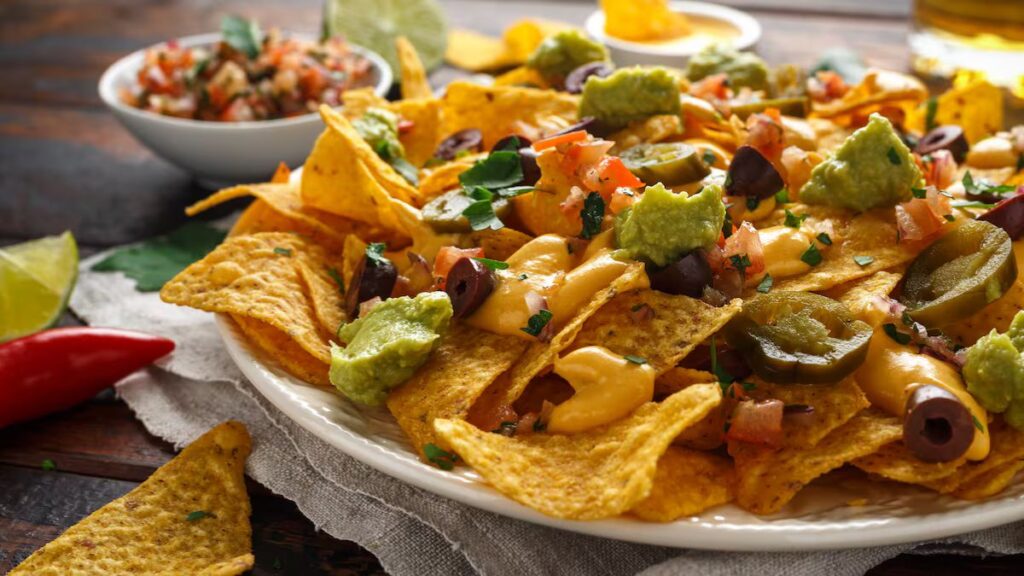
In modern kitchens, chefs are getting creative with totopos. They’re not just snacks anymore; innovative dishes feature them in salads or as nacho bases topped with melted cheese and jalapeños.
Food trucks often showcase gourmet versions, incorporating flavors like truffle oil or spicy aioli for an exciting twist. This evolution keeps totopos relevant while honoring their roots.
You’ll find them on menus across Mexico and beyond—often paired with refreshing beverages like agua fresca or beer. Whether enjoyed casually at home or presented as part of upscale dining experiences, totopos continue to delight taste buds everywhere.
Conclusion: The Cultural Significance of Totopos in Mexican Cuisine
Totopos hold a cherished place in the tapestry of Mexican cuisine. These crispy treats are more than just a side dish—they embody tradition, history, and community. Found alongside salsas or as part of classic dishes like chilaquiles, totopos reflect regional flavors and artisanal preparation methods.
Their versatility makes them a staple in countless households across Mexico. Whether enjoyed during festive gatherings or casual family meals, they serve as connectors among people, bridging generations through shared recipes and stories.
As we explore the origins and variations of totopos, it becomes clear that they are not merely food items but symbols of cultural identity. The simple act of munching on these crunchy delights carries with it centuries-old traditions rooted deeply in Mexican heritage. Their presence on tables—both at home and in restaurants—reminds us to savor each bite while honoring the rich history behind this beloved treat.